
The Students No-Nonsense Guide to Cracking ECGs
A highly visual ECG book for students, nurses, and paramedics, featuring a game-changing mental model to learn faster, understand better, and gain real clinical confidence.

The Students No-Nonsense Guide to Cracking ECGs
Learn more about the book

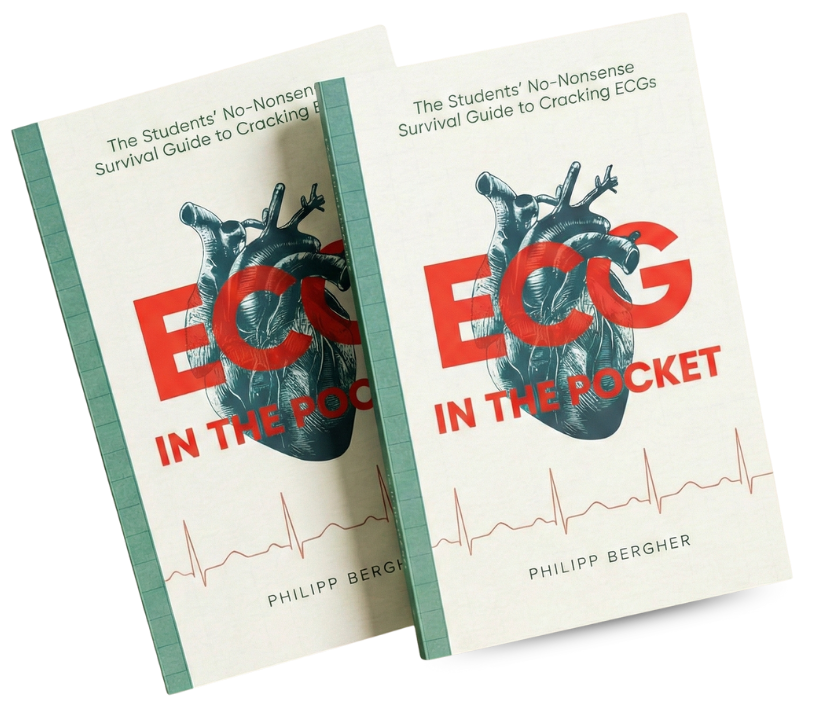


From Electrician’s Logic to ECG Mastery: A Novel Visual Method.
Most textbooks treat ECGs like a language you have to memorize. ECG in the Pocket treats the heart like a logical power grid.
Written by a medical professional who mastered circuits as an electrician and saved lives as a paramedic, this book replaces abstract theory with a simple, visual system: Power plants, transmission lines, and substations.
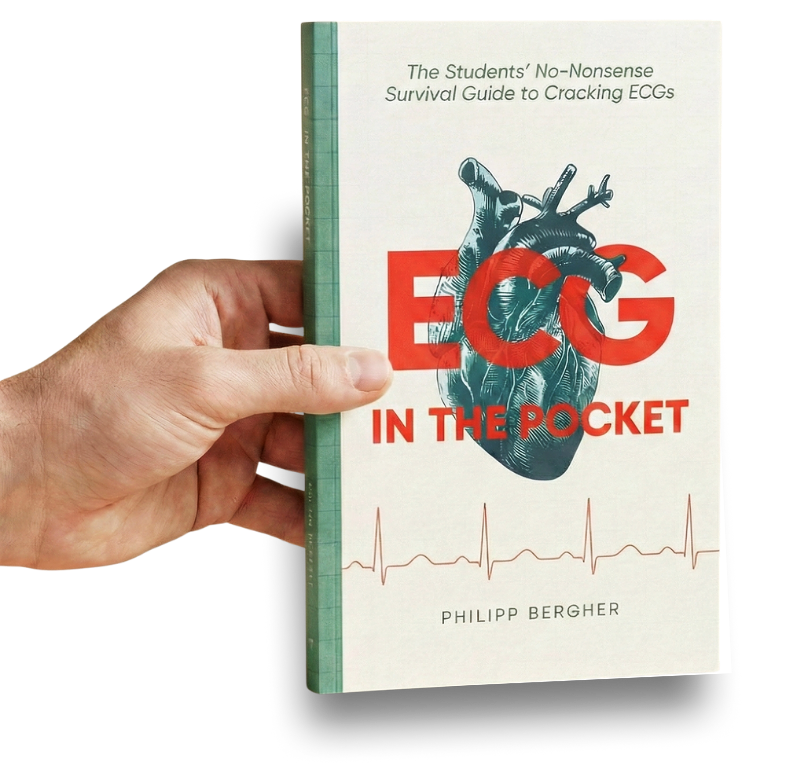
Make ECGs finally make sense
A compact, practical ECG textbook that replaces overwhelm with clarity through simple systems, clear patterns, and visual explanations.
Who This Book Is For:
✳ Medical students
✳ Nursing students and professionals
✳ Paramedics and emergency staff
✳ And everyone who wants clarity from day one
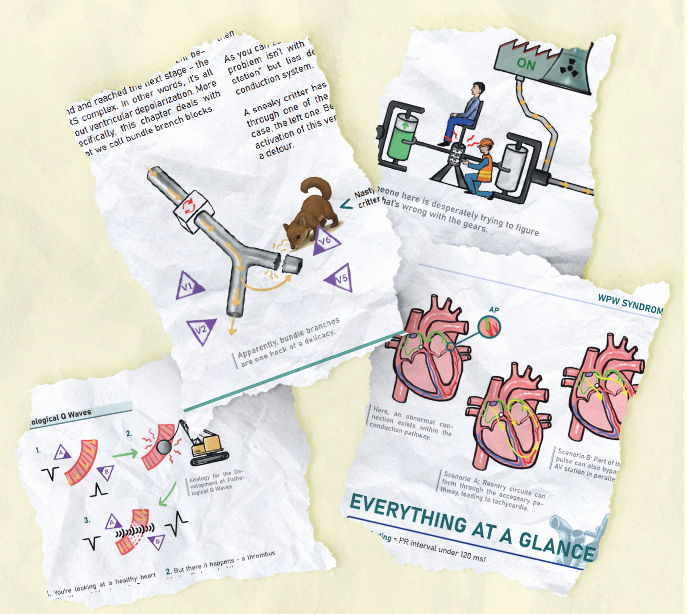
Take a Look inside
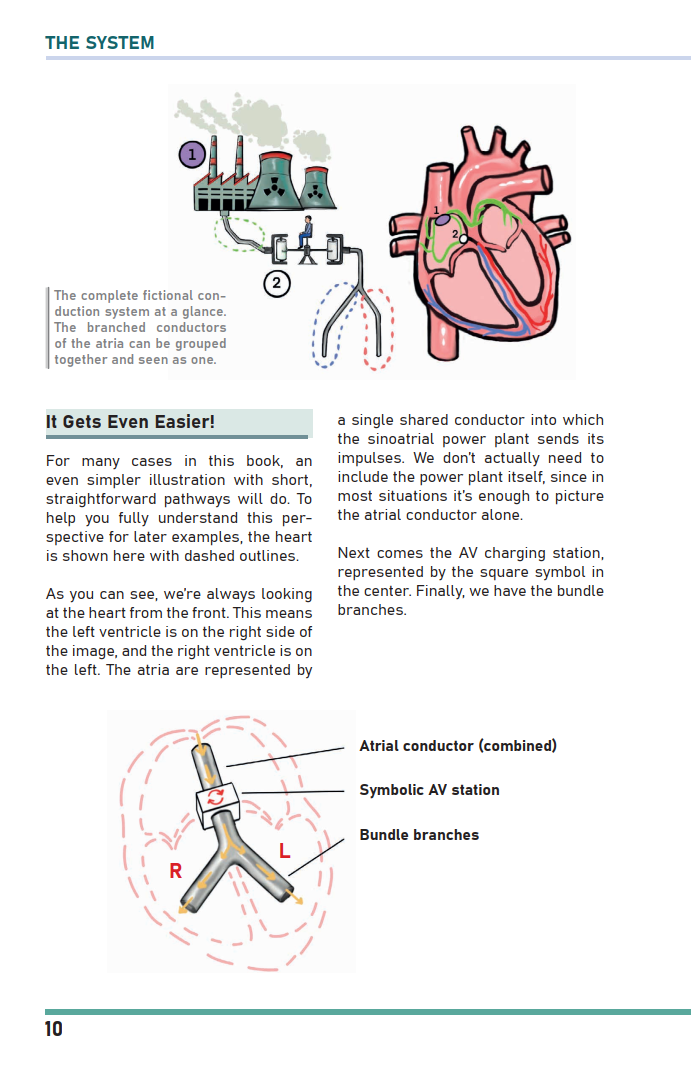
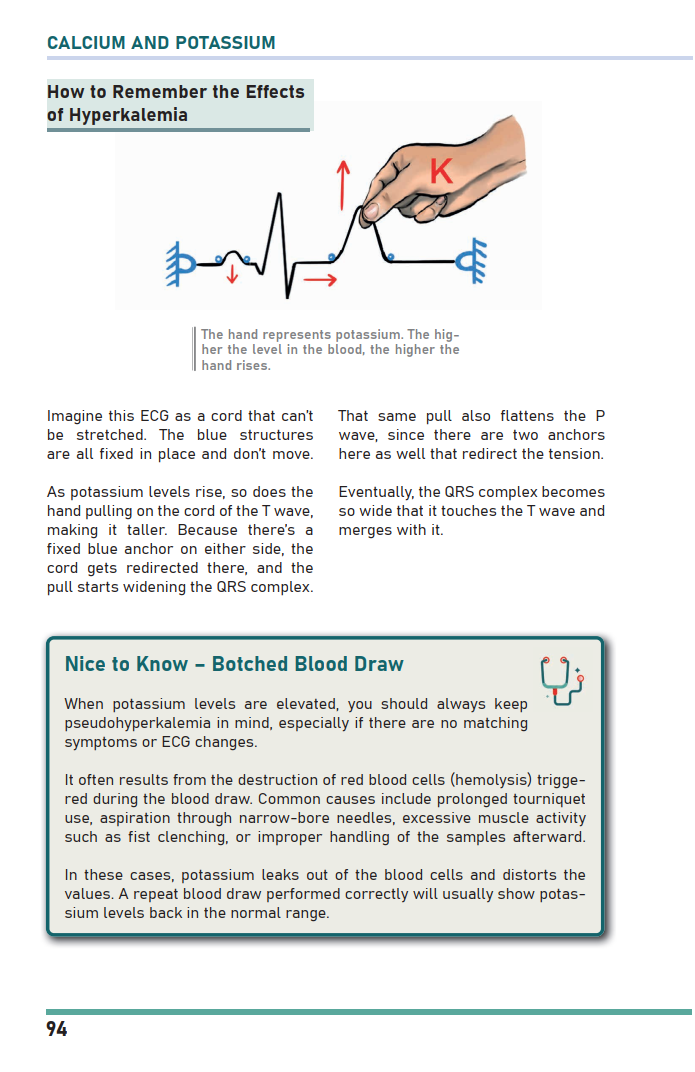
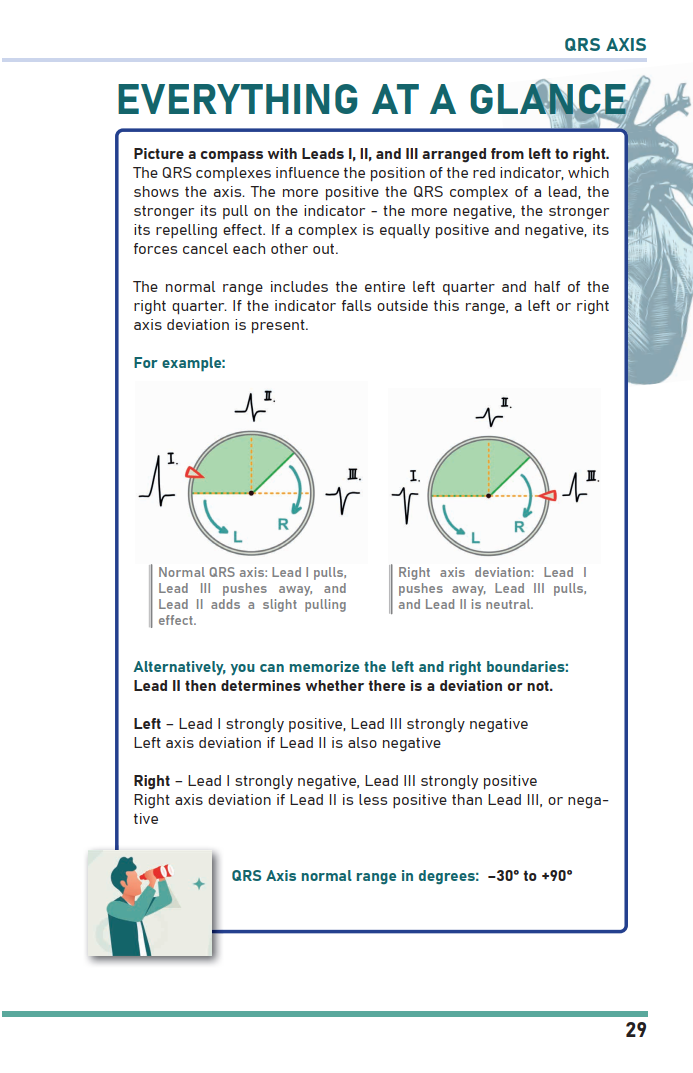
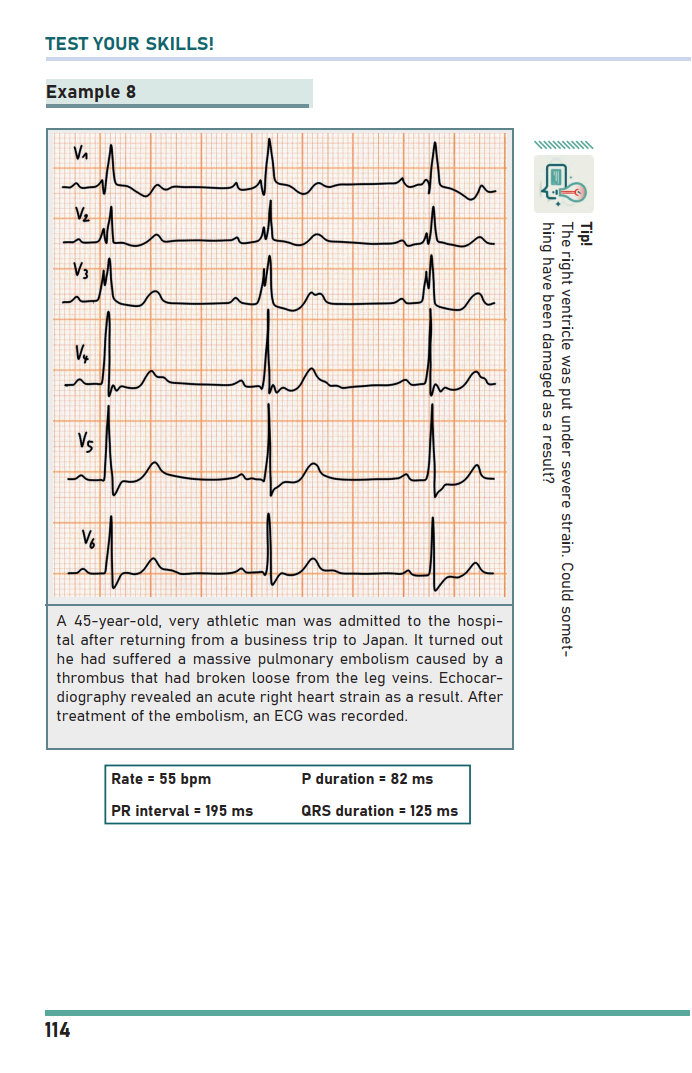
Click on individual pages to zoom in and get more information.
Tap to zoom. Use the dot in the bottom-right corner for more information.
Built for Understanding
A Smarter Way to Learn ECGs.
Build confidence, strengthen your understanding, and make ECG interpretation feel manageable.
🇺🇸 $ 21.80 | 🇬🇧 £ 18.60 | 🇨🇦 $ 23.40
Prices may vary slightly depending on the local marketplace and taxes.

Meet the Author

Meet the Author
Philipp Bergher
Philipp did not take a conventional path to medicine. He first spent years as a professional electrician, mastering the logic of electrical circuits. Following this, he served as a paramedic, where he gained extensive hands-on experience in cardiac diagnostics in the field.
It was only after entering medical school that he noticed a significant gap: traditional teaching relies on rote memorization, which often leaves learners confused when faced with complex, real-world cases. Drawing from his unique background, he developed a "logic-first" visual system. He treats the heart not as an abstract organ, but as a logical power grid of plants, lines, and substations.
This method translates complex electrophysiology into intuitive visual models. With over 800 copies sold across two languages in only half a year, Philipp helps medical students, nurses, and EMS personnel move from guessing patterns to truly understanding the flow. His mission: making ECG interpretation logical, accessible, and retention-proof.